
 Najedź, aby powiększyć1 / 1

Faust: A Tragedy
0,0(0)
Stan: Nowy- Sprzedaje i wysyła sklep partnerski Legimi
- Dostawa i zwroty według zasad sklepu partnerskiego
- Po złożeniu zamówienia w allee dostaniesz link do zakupu w sklepie
- Produkt nowy
Allee AI — najważniejsze o produkciez parametrów oferty
| Stan | Nowy |
| Sprzedawca | Legimi |
Parametry
Ogólne
StanNowy
KategoriaLiteratura piękna
EAN (GTIN)9783985941452
SprzedawcaLegimi
Numer oferty12331475
Dostawa i zwroty
Sprzedaje i wysyłaLegimi (sklep partnerski)
Dostawawedług zasad sklepu
Zwroty i reklamacjewedług zasad sklepu
Opis
Faust: A Tragedy
Faust: A Tragedy Johann Wolfgang von Goethe - The story of Dr. Faustus and the Devil is one of such deep human significance, and, from the Reformation downwards, of such large European reputation, that in giving some ac…
Kupujesz w allee
Sklep partnerski
Sprzedaje i wysyła Legimi — sklep partnerski allee.
Zamówienie w allee
Dodaj do koszyka, złóż zamówienie, a dostaniesz link do zakupu w sklepie.
Dostawa i zwroty
Według zasad sklepu partnerskiego Legimi.
Faust: A Tragedy Johann Wolfgang von Goethe - The story of Dr. Faustus and the Devil is one of such deep human significance, and, from the Reformation downwards, of such large European reputation, that in giving some account of its origin, character, treatment, legendary and poetical, I shall seem to be only gratifying a very natural curiosity on the part of the intelligent reader. We, who live in the nineteenth century, in a period of the world's intellectual development, which may be called the age of spiritual doubt and scepticism, in contradistinction to the age of faith and reverence in things traditional, which was first shaken to its centre by the violent shock of the Reformation, can have little sympathy with the opinions as to spiritual beings, demoniacal agency, magic, and theosophy, that were so universally prevalent in the sixteenth century. We believe in the existence of angels and spirits, because the Scriptures make mention of such spiritual beings; but this belief occupies a place as little prominent in our theology, as its influence is almost null in regard to actual life. In the sixteenth century, however, Demonology and Angelography were sciences of no common importance; and were, too, a fruitful root whence the occult lore of the sages, and the witch, ghost, and magic craft of the many took their rise, and spread themselves out into a tree, whose branches covered the whole earth with their shadow. From the earliest Christian fathers, to the last lingering theosophists of the seventeenth century, we can trace a regular and unshaken system of belief in the existence of infinite demons and angels in immediate connection with this lower world, with whom it was not only possible, but of very frequent occurrence, for men to have familiar intercourse. Psellus,[i1] the "prince of philosophers," does not disdain to enter into a detailed account of the nature and influence of demons, and seems to give full faith to the very rankest old wives' fables of dæmones incubi et succubi, afterwards so well known in the trials for witchcraft which disgraced the history of criminal law not more than two centuries ago. Giordano Bruno, the poet, the philosopher, and free-thinker of his day, to whom the traditionary doctrines of the Church were as chaff before the wind, was by no means free from the belief in magic, the fixed idea of the age in which he lived. "O! quanta virtus," says he, in all the ebullition of his vivid fancy, "O quanta virtus est intersectionibus circulorum et quam sensibus hominum occulta!!! cum caput draconis in sagittario exstiterit, diacedio lapide posito in aqua, naturaliter (!) spiritus ad dandum responsa veniunt."[i2] The comprehensive mind of Cornelius Agrippa, the companion of kings and of princes, soon sprung beyond the Cabbalistical and Platonical traditions of his youth; but not less is his famous book "De Philosophia Occulta" a good specimen of the intellectual character of the age in which he lived. The noted work "De Vanitate Scientiarum" is a child of Agrippa, not of the sixteenth century. The names of Cardan, Campanella, Reuchlin, Tritheim, Pomponatius, Dardi, Mirandula, and many others, might be added as characteristic children of the same spirit-stirring era; all more or less uniting a strange belief in the most baseless superstitions, with deep profundity of thought, and comprehensive grasp of erudition.
Informacje od sklepu
- ISBN: 9783985941452
Inne oferty tego produktu
Porównaj sprzedawców i sklepy partnerskie
To jedyna oferta tego produktu w alleeGdy inni sprzedawcy wystawią ten sam produkt (ten sam EAN albo marka i model), porównasz ich tutaj.
Często kupowane razem
 29,99zł
 4,99zł
 8,35zł
Razem za 3 produkty:43,33zł
Opinie kupujących
0,0
Brak opinii
Co mówią kupujący
Allee AI podsumuje opinie, gdy kupujący dodadzą pierwsze recenzje po zakupie.
Brak opinii — bądź pierwszyOpinię wystawisz po otrzymaniu zamówienia. Pokazujemy tylko opinie z potwierdzonych zakupów.
Pytania i odpowiedzi
Najczęstsze pytania o produkt: Faust: A Tragedy
Ile kosztuje Faust: A Tragedy?
Na allee.pl Faust: A Tragedy kosztuje teraz 29,99 zł w sklepie Legimi.
W jakiej kategorii jest Faust: A Tragedy?
Produkt Faust: A Tragedy znajdziesz na allee.pl w kategorii Kultura i rozrywka › Ebooki › Literatura piękna.
Kto sprzedaje produkt Faust: A Tragedy?
Produkt Faust: A Tragedy sprzedaje i wysyła sklep internetowy Legimi — sklep partnerski allee.pl. Zamówienie składasz w allee, a zakup kończysz w sklepie.
Ile kosztuje dostawa produktu Faust: A Tragedy?
Koszt dostawy produktu Faust: A Tragedy ustala sklep Legimi — zobaczysz go w sklepie przed zapłatą.
Jak szybko dostanę produkt Faust: A Tragedy?
Według danych sklepu Legimi produkt jest dostępny od ręki.
Czy produkt Faust: A Tragedy jest dostępny?
Tak — według sklepu Legimi produkt Faust: A Tragedy jest dostępny od ręki.
Czy produkt Faust: A Tragedy jest nowy?
Faust: A Tragedy na allee.pl to produkt w stanie: nowy.
Czy można zwrócić produkt Faust: A Tragedy?
Zwroty i reklamacje produktu Faust: A Tragedy obsługuje sklep Legimi. Kupując przez internet jako konsument, co do zasady masz 14 dni na odstąpienie od umowy bez podawania przyczyny.
Jaki jest kod EAN produktu Faust: A Tragedy?
Kod EAN (GTIN) produktu Faust: A Tragedy: 9783985941452.
Nikt jeszcze nie zadał pytaniaZapytaj sprzedawcę — odpowiedź dostaniesz w wiadomościach.
Podobne produkty
Wszystkie w kategorii
41,90zł
Reiseführer Deutschland - 4 in 1 Sammelband: Hamburg | München | Aachen | Berlin0,0(0)
w sklepie Legimi









Klienci oglądali też




46,99zł
Gra planszowa Pohádkové divadlo Červená Karkulka Šípková Růženka Multigra4,7(34)
kupiło 3 tys. osób
dostawa jutro

34,99zł
Klub przyrodnika. Hop hop. Las ogród rzeczka Praca zbiorowa0,0(0)
kupiło 2,9 tys. osób
allee+dostawa pojutrze
24,99zł30,98 zł
Najniższa cena z 30 dni: 27,48 zł
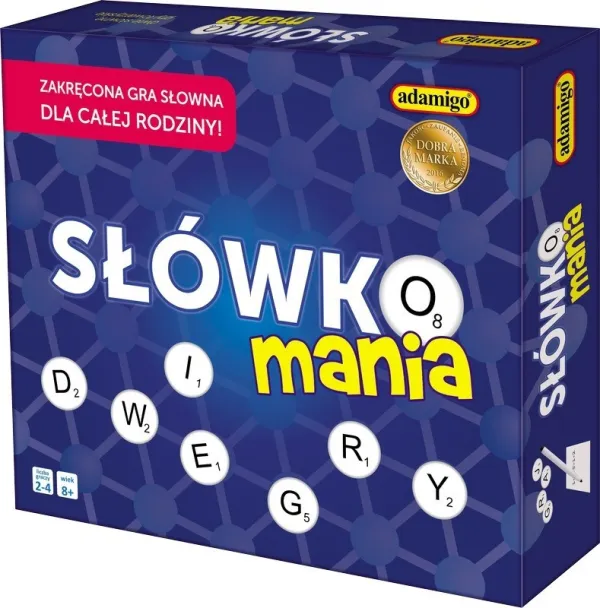
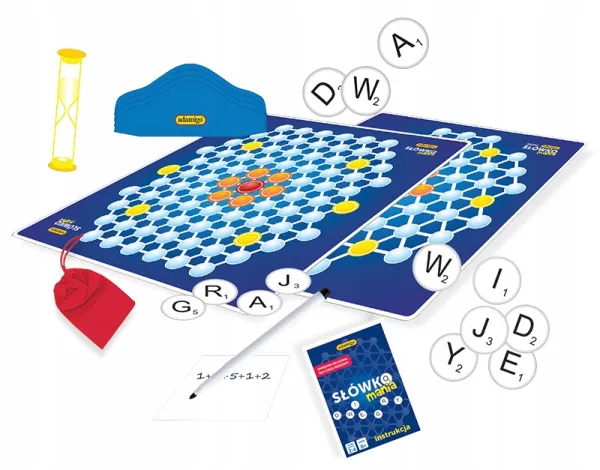
Gra planszowa Słówkomania Adamigo4,2(27)
kupiło 2,5 tys. osób
allee+dostawa pojutrze




28,99zł
Boża apteka - stan przedcukrzycowy (książka) Klara Kistelska-Borkowska4,8(14)
kupiło 391 osób
dostawa jutro




23,99zł
Jak mówić do nastolatków, żeby nas słuchały Jak słuchać, żeby z nami rozmawiały Adele Faber, Elaine Mazlish3,9(489)
kupiło 267 osób
allee+dostawa pojutrze